

Lightweight Vs Heavy Scooter Decks
When it comes to choosing a scooter deck, one of the biggest decisions riders face is whether to go with a lightweight or heavy deck. Some riders swear by ultra-light setups for effortless tricks, while others prefer the stability and durability of a heavier deck. But does the weight of your deck actually make a difference? Let’s break it down.
LATEST SCOOTER DECKS

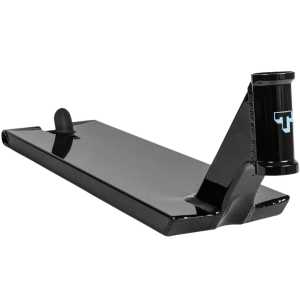


Understanding Scooter Deck Weight
The weight of a scooter deck depends on several factors, including:
-
Material – Most scooter decks are made from aluminium, but high-end models may use titanium (which is strong yet lightweight) or carbon fibre (which is incredibly light but expensive). Steel decks are rare due to their excessive weight but offer extreme durability.
-
Size – Wider and longer decks naturally add more weight, but they also provide more foot space and stability, making them a popular choice for street riders.
-
Cutouts & Design – Many brands integrate cutouts, hollow sections, or special reinforcements to balance strength and weight. A deck with more cutouts will be lighter but may compromise durability over time.
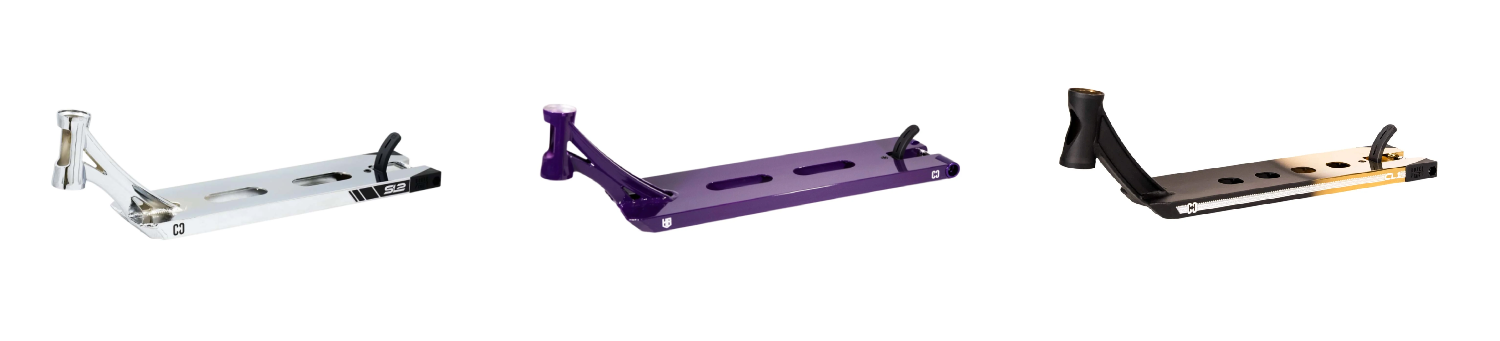
Benefits of a Lightweight Scooter Deck
A lightweight scooter deck can make a big difference in how a scooter feels and performs, especially for park riders who focus on aerial tricks. Here’s why:
Easier to Pop and Flick for Tricks
A lighter deck requires less effort to lift off the ground, making it easier to perform tailwhips, barspins, and other technical tricks. This is especially important for riders who rely on quick rotations and fast footwork to land complex combos. Pro park riders prefer lightweight decks because they can spin faster and perform multiple tailwhips or barspins in a single air trick.
Better for Air Tricks
Park riders thrive on catching big air, and a lighter deck allows for higher jumps and smoother rotations. This makes tricks like flairs, backflips, and double whips much easier to execute. Riders who specialise in quarter pipe tricks benefit from a light deck because they can generate more height with less effort.
Faster Acceleration
A lighter scooter deck requires less energy to push, which means riders can gain speed quickly. This is useful for riders who need quick bursts of acceleration for tricks or competition runs. A light deck allows a rider to quickly push into a ramp and gain enough speed to attempt a trick.
Less Fatigue
Lighter decks are easier to carry and manoeuvre, reducing rider fatigue during long sessions. If you’re riding for hours at a skatepark, a lighter deck can help conserve energy. Pro riders in contests like the X Games often use lightweight setups to maintain endurance throughout multiple runs.
Downsides of a Lightweight Deck
While a lighter deck has its perks, it’s not always the best option for every rider:
-
Less Durability – Thin, light decks wear down faster, especially for riders who land hard or frequently do grinds.
-
Less Stability – A lightweight deck can feel twitchy, making it harder to maintain balance on rails or manual tricks.
-
Not Ideal for Street Riders – If you frequently grind ledges and rails, a lightweight deck may not hold up as well over time.
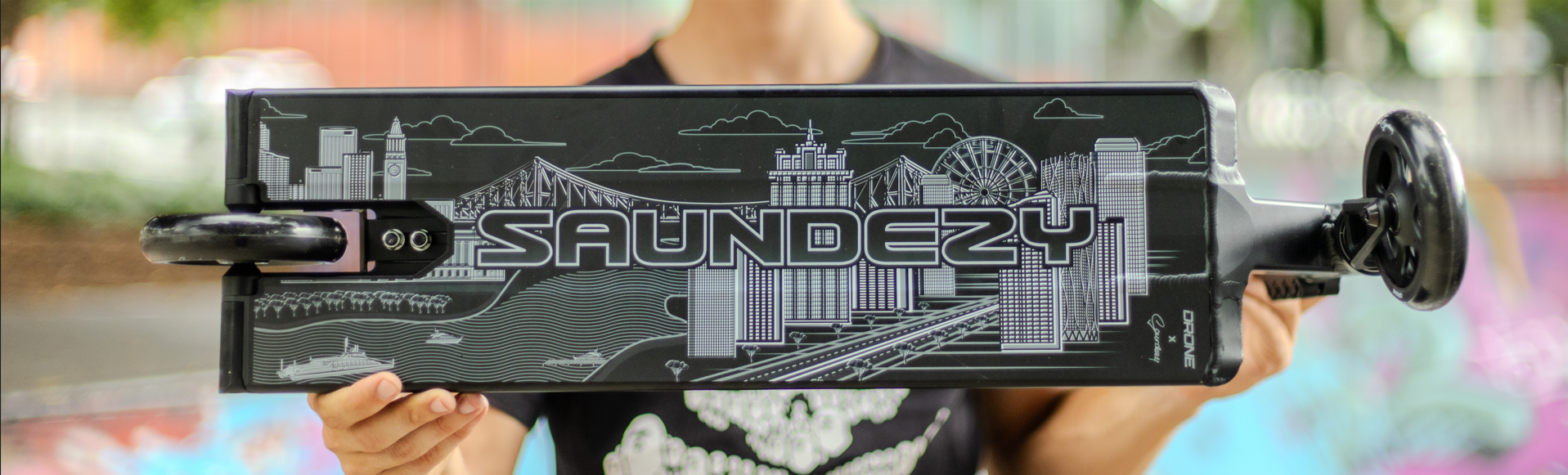
Benefits of a Heavy Scooter Deck
Heavier decks, while sometimes overlooked, offer distinct advantages, especially for street riders:
Increased Durability
A thick, reinforced deck is built to handle heavy impacts from big stair sets, handrails, and rough terrain. Street riders benefit from decks that can withstand constant grinding without snapping or denting easily. Riders who frequently hit ledges and rails need a heavier deck to withstand the friction and force of repeated grinds.
More Stability
The added weight provides better balance and control, especially for manuals, fakie riding, and rail tricks. A heavier deck helps a scooter feel more planted to the ground, making landings more controlled. A heavier deck helps with nose manuals and rail grinds, as it distributes weight more evenly and prevents wobbles.
Better for Street Riding
If you’re a street rider, a heavy deck is beneficial for locking into grinds and surviving hard landings. Many boxed-end decks are heavier but provide extra surface area for grinds. Riders like Jon Reyes and Austin Coates use heavier decks to enhance grind performance and land tricks consistently.
Smoother Landings
A heavier deck absorbs more impact, reducing stress on your feet and knees. This is crucial for riders who attempt big drops and stair sets, where hard landings are inevitable. For example, a heavier deck helps absorb the force when landing a huge stair gap.
Downsides of a Heavy Deck
Despite their benefits, heavier decks aren’t for everyone:
-
Harder to Lift for Tricks – It takes more effort to whip a heavier deck, making quick rotations harder.
-
Slower Acceleration – A heavier scooter takes more force to push and build speed.
-
More Fatigue – Long sessions may feel more exhausting due to the extra weight.
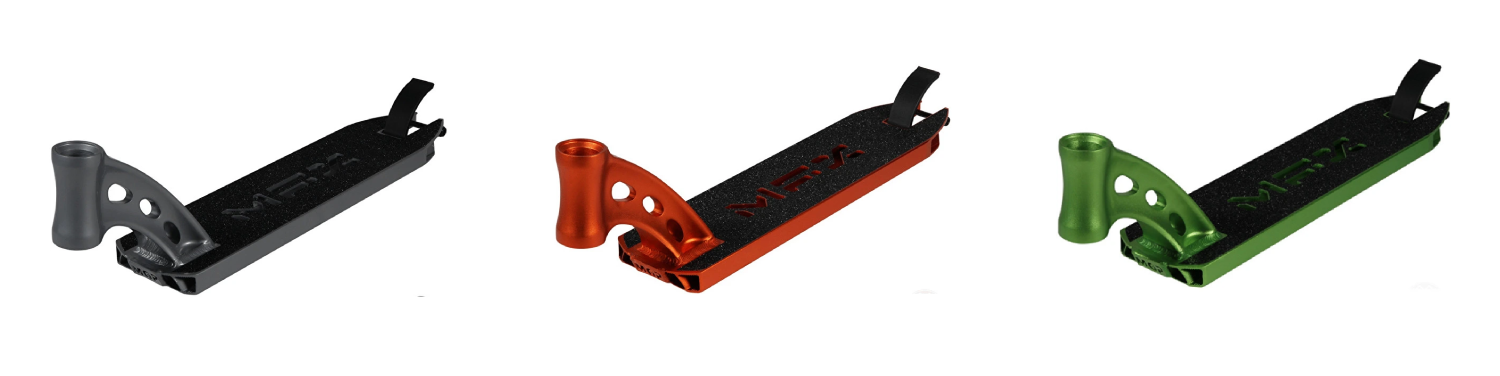
The weight of your deck does matter, but only in relation to your personal riding style. A lightweight deck can help you land fast, technical tricks, while a heavier deck offers durability and control for street riding. The best scooter deck is the one that fits your riding needs, so choose wisely and ride with confidence!
