

How Streetwear Has Evolved Over The Years
Originating in the 1970s, streetwear was influenced by the surfing and skateboarding scene. Made with durable materials and reinforced stitching, streetwear is designed to meet the demands of the sport whilst blending style, comfort and functionality. In this blog, we will explore how street wear has evolved over the years.
The late 1970s
Streetwear originated from the hip-hop scene, mostly known in the Bronx, New York City in the 1970s. Hip-hop fashion consisted of merging elements from sportswear and urban street styles and was often composed of oversized garments, bold colours, prominent logos and tracksuits. Fashion brands such as Le Coq Sportif, Kangol, Adidas and Pro-Keds became well-known for their involvement in the emerging hip-hop scene.
1980s
Streetwear started becoming popular in the 1980s. It was a blend of sub-cultures including hip-hop, skateboarding and surf culture with popular brands such as Vans, Stussy and Santa Cruz. Emerging from the desire for comfortable and casual clothing it was designed to be functional, featuring loose fits and durable materials. Streetwear offered a way to express personal identity as it incorporated elements from music, art and sports.
1990s
Moving into the 1990s, more and more brands started catching onto the streetwear style, including brands such as Nike, Tommy Hilfiger and Carhartt. Street skating became more popular, requiring clothing to have more protection and comfort. Brands started recognising this, leading to the growing popularity of denim jeans, bulkier shoes, and oversized tees.
2000s
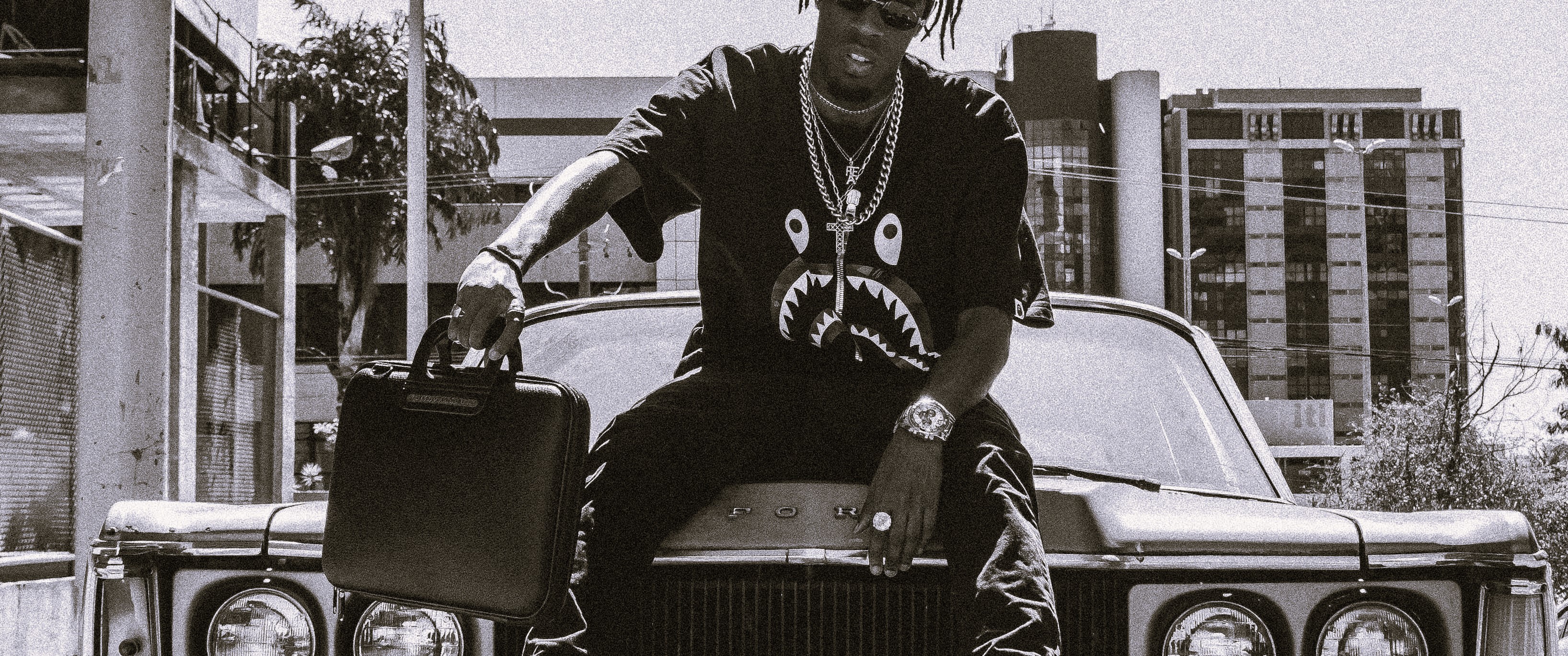
The streetwear scene continuously developed and broadened its audience throughout the 2000s, thanks to social media. Celebrities and influential people caught on to the rise in streetwear, resulting in it gaining more and more popularity every day. Leading brands such as Burberry, Gucci and Fendi appeared in hip-hop videos, and luxury brands like Louis Vuitton and Gucci collaborated with streetwear designers to create high-end collections. The 2000s streetwear culture was largely influenced by the kind of music you listened to and often consisted of bold logos and graphics also combining accessories like gold chains and beanies. Streetwear in the 2000s was largely dominated by boxy fit hoodies, cargo pants, chino shorts, graphic t-shirts, logo hats, trucker hats, and puffy skate shoes, with companies like Nike SB, Supreme and Levis becoming increasingly popular.

LATEST SANTA CRUZ CLOTHING

2010s
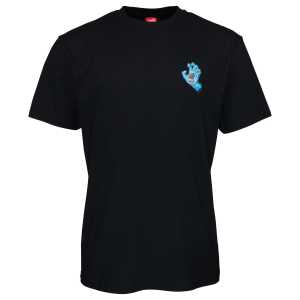
The 2010s is when streetwear fashion rose to popularity on a global scale. Many skateboarding brands grew in popularity around this time, including brands such as Thrasher, Santa Cruz, Vans and Dickies. T-shirts, crewneck jumpers, jackets and hoodies were the top choices of this time.
Streetwear Now
Streetwear nowadays has arguably grown so large that it is no longer just a sub-culture and has infiltrated mainstream fashion. Vintage streetwear has taken over the fashion industry, with top brands such as Balenciaga and off-white incorporating streetwear elements into their collections. Brands such as Stussy, Carhartt, vans and Supreme still remain as some of the top brands for streetwear and all incorporate elements of street fashion, sportswear and pop culture.
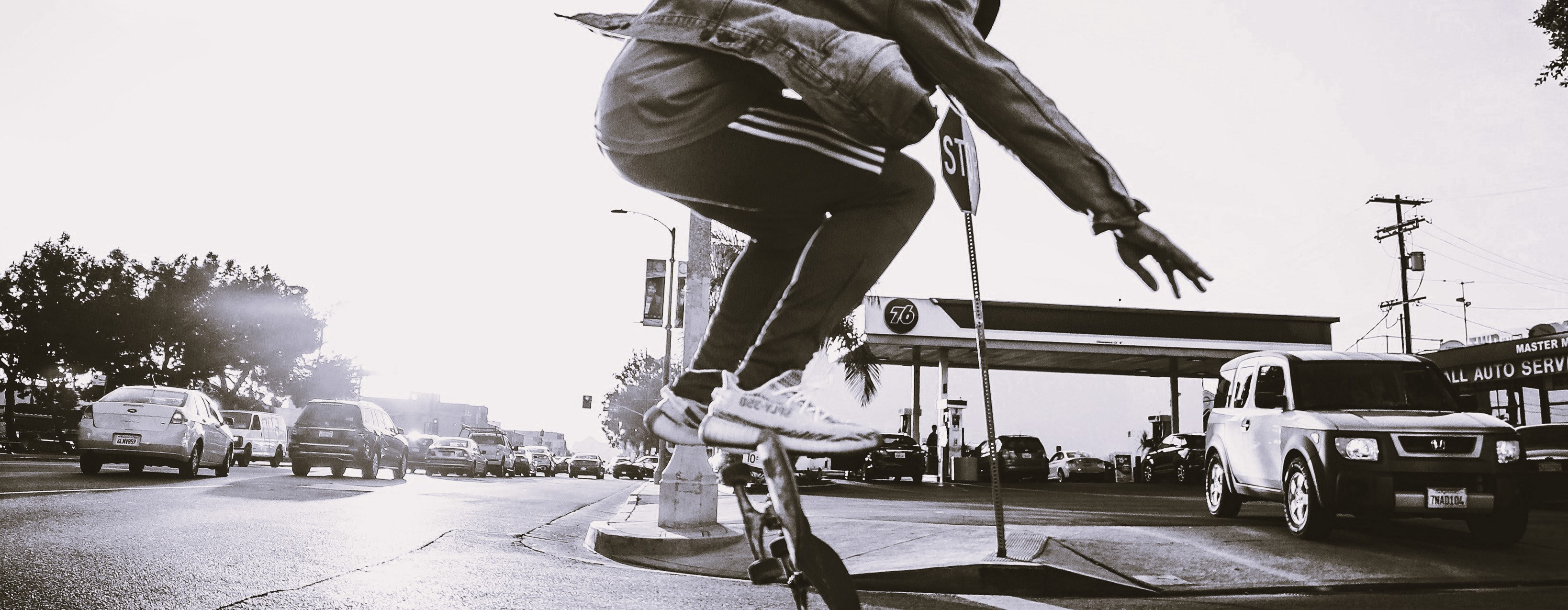
Streetwear has come a long way from its roots in skateboarding, surfing, and hip-hop culture. What once symbolised rebellion and individuality has now become a global fashion powerhouse, influencing everything from casual outfits to high-end luxury collections. Despite its mainstream success, streetwear continues to celebrate creativity and self-expression. As it evolves, one thing remains clear, streetwear isn’t just a trend, it’s a movement that’s here to stay.
