
How Young Can Kids Be To Start Skateboarding?
Skateboarding has traditionally been thought of as a teenage pursuit, but that picture is changing. Across UK skateparks, more and more preteens and young children are picking up a board for the first time, a shift that's visible in the UK's own competition scene. Skateboard GB, the sport's national governing body, runs Survival of the Sickest, a junior event series specifically for Under 12s and Under 16s, alongside its National Championships park and street finals, which showcase the country's top talent. The existence of a dedicated junior pathway is itself a sign of how young the sport's next generation is starting.
So what's driving kids to start earlier, and is there anything to back up the idea that early skateboarding is genuinely good for a child's development?
Confidence and self-paced progress
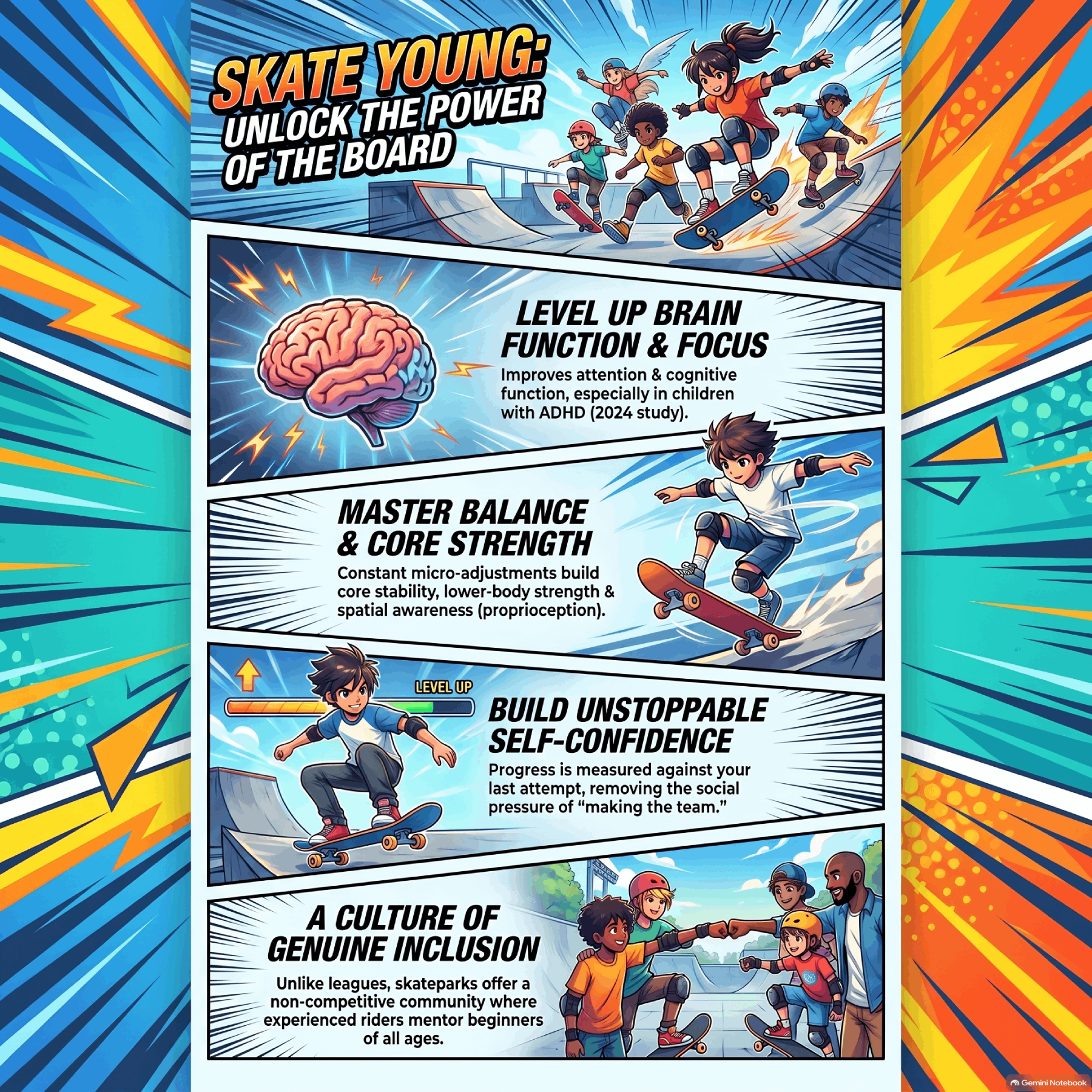
Unlike many team sports, skateboarding has no fixed pace, no league table and no bench. A child's progress is visible to them and measured against their own last attempt, not a teammate's performance. This self-paced structure removes a lot of the social pressure that puts some children off organised sport altogether, and it gives kids ownership over their own learning — they choose what to try, when to try it, and when they're ready to move on to the next trick.
Cognitive development: more than just balance
There's a growing body of research linking skateboarding to measurable cognitive benefits, not just physical ones. A 2024 study published in the journal Frontiers in Pediatrics ran a four-month skateboarding intervention with children with ADHD and recorded meaningful improvements in dynamic balance, cognitive functioning and attention-focusing over the course of the programme. The researchers pointed out that skateboarding's constant demand to maintain and restore balance during changes in position shares a lot in common with other balance-training tasks already known to support motor and cognitive development, and cited earlier research suggesting that experienced skateboarders show increased activity in motor-relevant brain regions simply from watching skateboarding tricks, driven by active mirror neurons.
The theory is that skateboarding asks the brain and body to work together constantly. Reading terrain, judging speed, adjusting weight and reacting in real time, and that this kind of complex coordination task builds neural pathways that simpler, repetitive exercise doesn't.
Building physical coordination and strength
The physical case for skateboarding is more straightforward, but well evidenced. Riding a board requires continuous small adjustments to stay balanced, which develops core strength, proprioception (a child's sense of where their body is in space) and lower-body strength through pushing, crouching and absorbing landings. Learning to fall safely, and recovering quickly, also builds a kind of physical resilience that carries over into other sports.
As for whether younger children have "less distance to fall": it's a fair point, and one reason many coaches recommend starting on flat ground with a smaller, lighter board before ramps or bowls are introduced. Lower centre of gravity and lighter body weight do reduce the impact of early falls, though proper safety gear and instruction on how to fall matter more than age alone.
Social skills and a sense of belonging
Skateboarding also has a strong social dimension, even though it's not a team sport in the traditional sense. Skateparks bring together riders of different ages, backgrounds and skill levels in the same space, and the culture around skateboarding tends to be built on encouragement rather than competition, older or more experienced skaters showing younger ones how to land a trick, spotting for each other, and celebrating small wins as a group.
This is backed by research as well as observation. The University of Southern California's Pullias Center ran a national study called Beyond the Board: Skateboarding, Schools and Society, surveying over 5,000 skateboarders and conducting more than 120 interviews across the US. The study's findings highlighted skateboarding's role in building community and supporting positive mental health, and pointed to skateboarding as a way for young people to develop a sense of belonging and identity outside of family, school or other formal institutions.
For a child, that translates into a low-pressure way to build social skills: learning to communicate with people outside their usual peer group, developing patience and encouragement for others, and finding a community that doesn't depend on being picked for a team or making the cut. It's part of why skateboarding is often described as one of the more genuinely inclusive sports available, there's no tryout, no minimum skill level to take part, and progress is judged by the individual rather than compared against everyone else in the group.
Young skaters already leading the way
There's no better proof that skateboarding rewards an early start than the athletes at the top of the sport. Sky Brown, who competes for Team GB, first picked up a skateboard at the age of four. She became Britain's youngest-ever summer Olympian at 13, winning bronze in the women's park event at the Tokyo Games, and went on to take silver at Paris 2024 aged 16. She wasn't even the youngest medallist in Tokyo, Japan's Cocona Hiraki won silver in the same event at just 12 years old.
Their results are extreme cases, but they reflect a broader pattern in the sport: most elite skateboarders started young, often years before their names appeared on a podium. For kids picking up a board today, that's less about chasing an Olympic medal and more a reminder that the age at which someone starts rarely limits how far they can take it.
What's The Best Skateboard For Kids?
For parents weighing up activities for a child, skateboarding offers a mix that's hard to find elsewhere: physical fitness, problem-solving, resilience and a low-pressure route into a lifelong hobby or community. It doesn't require a team, a fixed schedule, or specialist facilities beyond a local skatepark or a stretch of flat pavement.
If your child is ready to try, the right first skateboard matters. Both of these are built with beginners in mind:
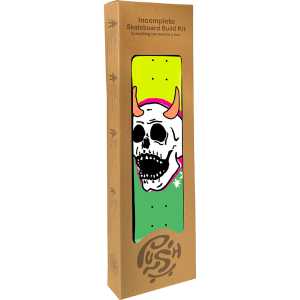
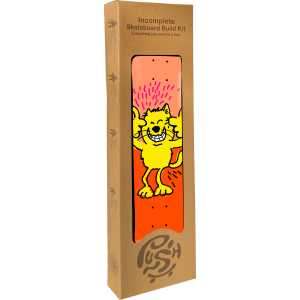
- Rampage Mist Fade Complete Skateboard — a solid, well-balanced complete board suited to riders just getting started.
- Enuff Skully Complete Skateboard — a narrower 7.75" deck, a good fit for smaller riders and younger beginners.
Both are ready to ride out of the box, which makes them a straightforward starting point for a child trying skateboarding for the first time.
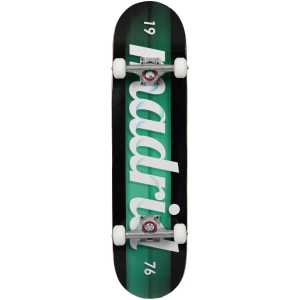
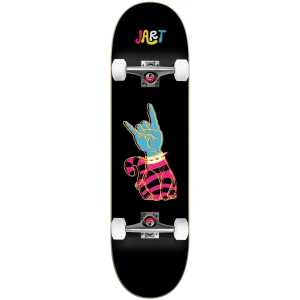
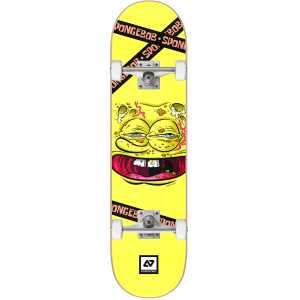
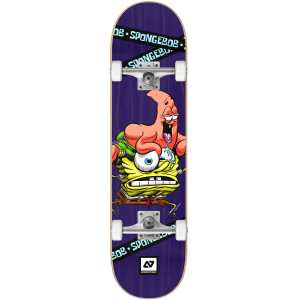
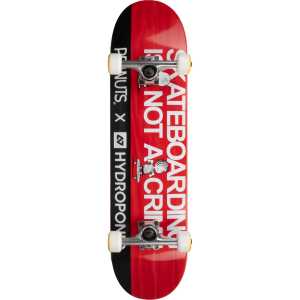
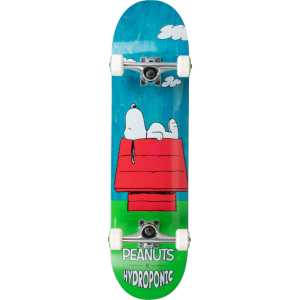
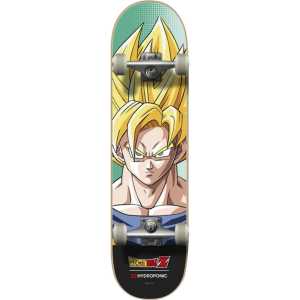
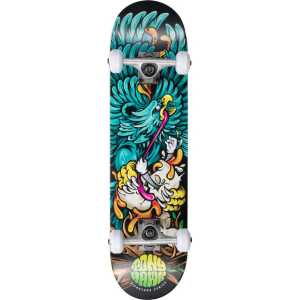
LATEST COMPLETE SKATEBOARDS


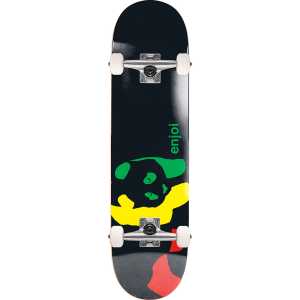
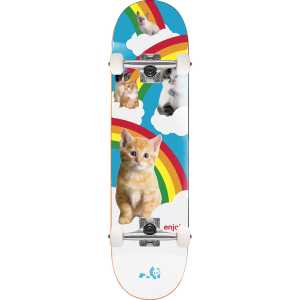
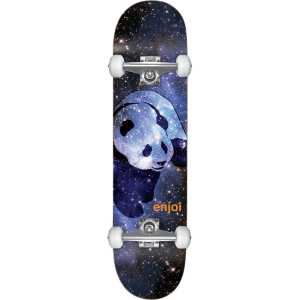
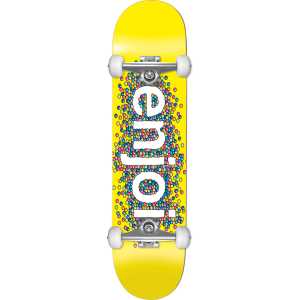
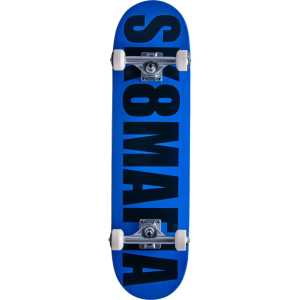
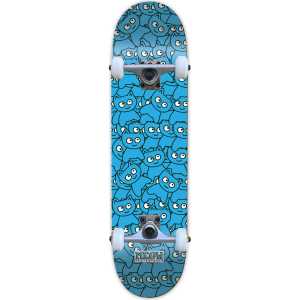
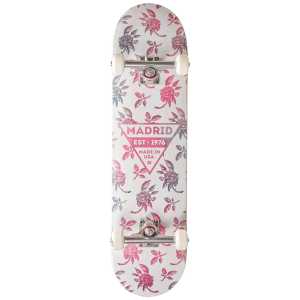
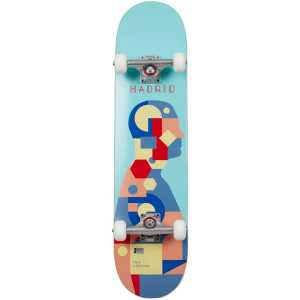
So what's the right age to start?
There's no single correct answer, but there is a reasonably consistent view. The American Academy of Pediatrics advises against skateboarding for children under 5, since their higher centre of gravity, undeveloped neuromuscular control and slower reflexes make falls harder to manage safely. Between the ages of 6 and 10, the AAP recommends close adult supervision rather than independent skating.
In practice, most instructors and skate schools point to 5 to 7 as the age when children typically develop enough balance and coordination to start learning the basics — pushing, standing balance, and steering — under supervision on flat ground. That doesn't mean tricks or skateparks straight away; it means a slow build from balance to movement to confidence, with a properly sized beginner board and full safety gear (helmet, wrist guards, knee and elbow pads) from the first session.
Some children are ready earlier, some later, and the AAP guidance is a general safety threshold rather than a hard rule for every child. The better question for most parents isn't "how young is too young" but whether their child has the balance, patience and interest to enjoy it — and whether they're set up with the right board, the right gear and proper instruction to make those first sessions safe and fun.